
Designing for multi-sensory retail experiences

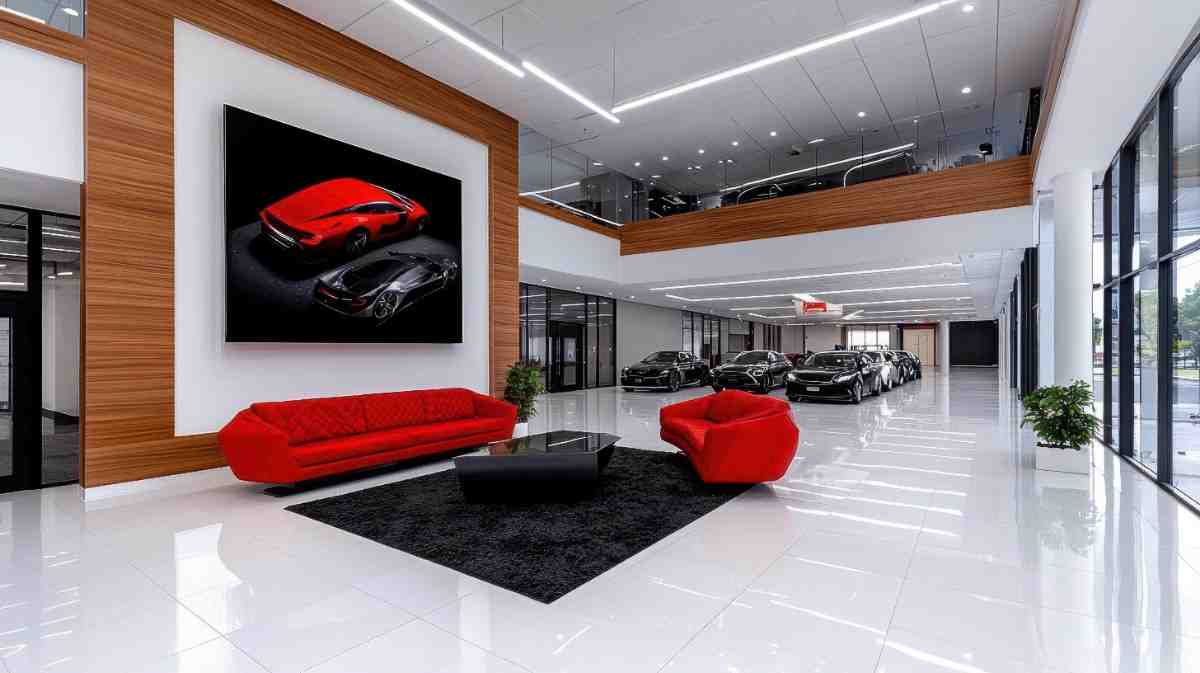
Retail is no longer just about selling products. In today’s competitive market, especially across the UAE, brands must create environments that engage customers on a deeper level. Multi-sensory retail design focuses on how a space looks, feels, sounds, and even smells, shaping experiences that people remember long after they leave.
At Horton Interiors, we approach retail design as a complete sensory journey. Through thoughtful Interior Design, Design & Build, and Fit-Out, we create spaces that connect emotionally with customers while supporting commercial performance.
Engaging the senses through design
Visual impact remains important, but it is only one part of the experience. Lighting, colour, and spatial layout set the tone and guide movement through the store. Carefully planned lighting can highlight products, create mood, and influence how long customers stay.
Textures and materials also play a powerful role. Natural finishes, tactile surfaces, and quality craftsmanship invite interaction and create a sense of trust and authenticity.
The role of sound and atmosphere
Sound is often overlooked, yet it strongly influences behaviour. Background music, acoustic control, and sound zoning can affect pace, comfort, and focus. A well balanced acoustic environment helps customers feel relaxed and engaged rather than overwhelmed.
In busy retail environments, managing noise levels is essential. Thoughtful acoustic design ensures that the space feels vibrant without becoming stressful.
Scent and emotional connection
Scent has a direct link to memory and emotion. Subtle fragrance strategies can reinforce brand identity and influence how a space is perceived. When used carefully, scent becomes a powerful tool that enhances atmosphere without distracting from the retail experience.
The key is balance. Sensory elements should work together to support the brand story rather than compete for attention.
Designing experiences that drive results
Multi-sensory design is not only about creativity. It is a strategic approach that can influence dwell time, customer satisfaction, and brand loyalty. Retail spaces designed with the senses in mind often encourage exploration and repeat visits.
Through our Fit-Out expertise, we ensure that every sensory detail is delivered with precision and consistency, from lighting systems to finishes and technology integration.
Creating retail spaces people remember
Successful retail design feels intuitive. Customers may not consciously notice every detail, but they feel the difference. When all senses are considered, the space becomes immersive, engaging, and aligned with the brand’s identity.
At Horton Interiors, we believe that great retail environments are built on understanding people as much as products.
If you are looking to create a retail space that truly connects with customers, speak to Horton Interiors about designing a Multi-sensory experience that sets your brand apart.